
Absolutely. We maintain the highest standards of medical ethics. Your clinical records and discussions are strictly confidential and are not shared with anyone without your explicit written consent, except in cases of immediate safety risk.
Our Legacy
- Home
- Legacy

Connections
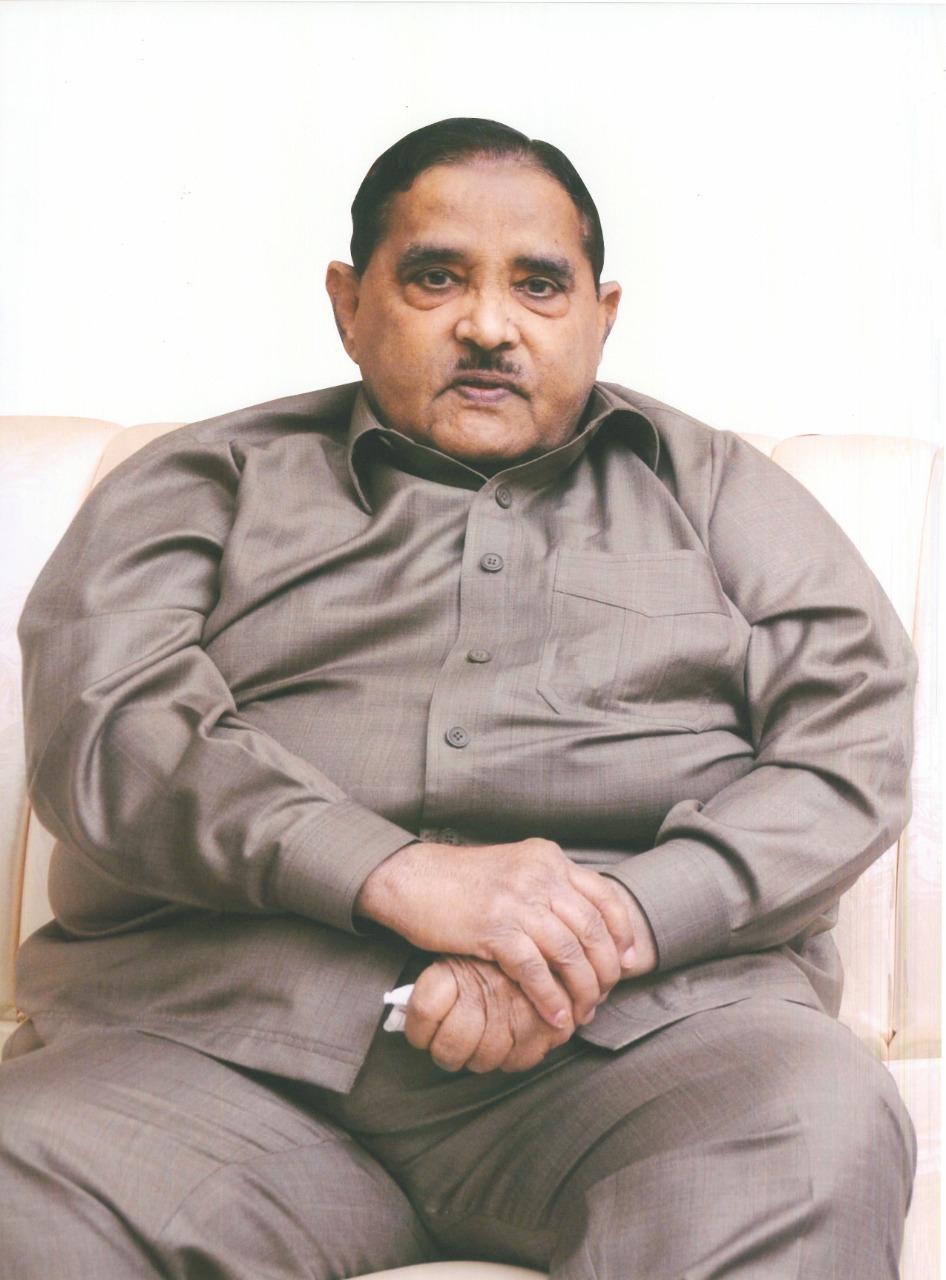
Prof. Dr. Ijaz Haider (Late)
-
History
Former Head of Psychiatry at Jinnah Hospital and University Medical College Lahore. His legacy of clinical education and compassionate service remains the cornerstone of Connections.
M.B.B.S. (Pb) M.R.C. Psych (London), D.P.M. R.C.S. (England), Ph D. (Edinburgh).
Frequently Asked Questions
A Psychiatrist is a medical doctor who can diagnose mental health conditions and prescribe medication. A Psychologist focuses on psychotherapy (talk therapy) and psychological testing. At Connections, we use a multidisciplinary approach where both work together for your recovery.
Are my consultations confidential?
Do I need a referral to book an appointment?
No, a formal referral from a GP is not required. You can contact us directly at our Race Course (Adult) or Johar Town (Child) branches to schedule an intake.
What should I expect during my first "Intake Session"?
The first session is a 45–60 minute diagnostic interview. We will discuss your current concerns, medical history, and goals. This session helps us establish an accurate diagnosis and create a personalized treatment plan
How long does a typical treatment plan last?
There is no "one-size-fits-all." Some patients require short-term therapy (8–12 sessions), while others with chronic conditions may need long-term medication management and follow-ups. We prioritize the "path of least resistance" to help you recover efficiently.
Do you offer online (Tele-Psychiatry) consultations?
Yes. For follow-up appointments and patients living outside of Lahore, we offer secure video consultations. However, we usually recommend the first assessment be done in person for a more comprehensive evaluation.
When is Inpatient (Sanctuary) care necessary?
Inpatient admission is recommended for patients in acute crisis, those requiring intensive detoxification, or those who need a safe, 24/7 monitored environment to stabilize their symptoms away from daily triggers.
Can family members visit patients in the Inpatient unit?
Yes, we encourage family involvement as it is vital for recovery. However, visits are scheduled during specific hours to ensure the patient has adequate time for therapy, rest, and clinical monitoring.
Is medication addictive?
This is a common concern. Most modern psychiatric medications (like SSRIs for depression/anxiety) are not addictive. For medications that do carry a risk (such as certain sedatives), our psychiatrists provide strict protocols to ensure they are used safely and tapered off correctly.
At what age should I seek help for my child?
If you notice persistent changes in your child’s behavior, academic decline, social withdrawal, or developmental delays (speech/motor), it is best to seek an early assessment. Early intervention is the single most important factor in a child’s long-term success.
When is Inpatient (Sanctuary) care necessary?
Inpatient admission is recommended for patients in acute crisis, those requiring intensive detoxification, or those who need a safe, 24/7 monitored environment to stabilize their symptoms away from daily triggers.